Three Heating Contractors Missed the Draft — A Candle Found It in Four Minutes
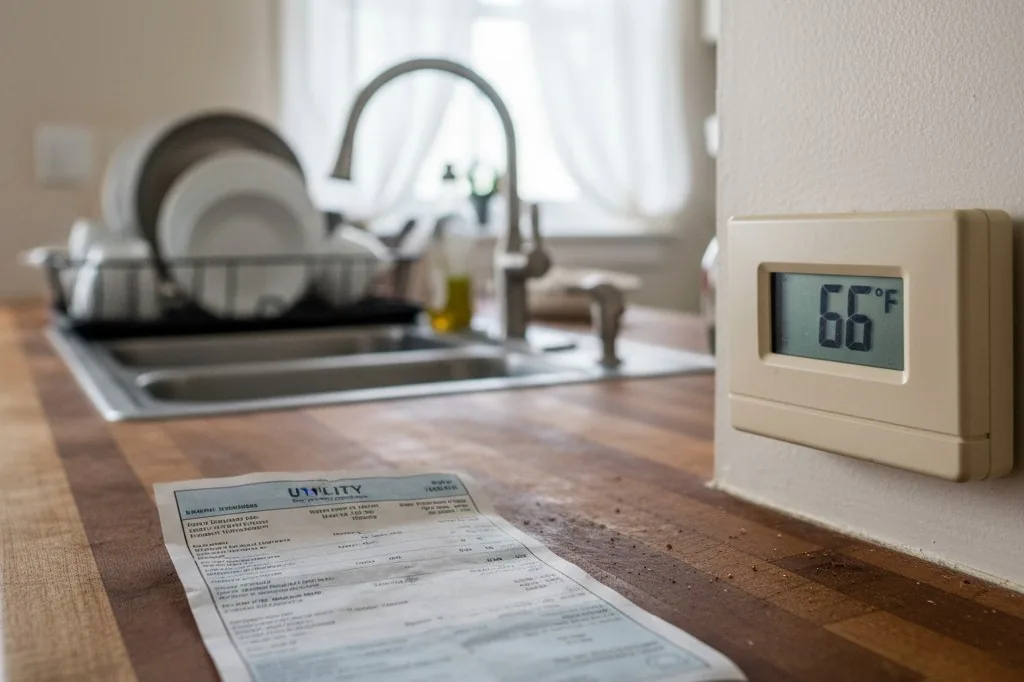
The first bill arrived in November and I assumed it was a mistake. Two hundred and forty dollars, for a two-bedroom house we barely heated above 66 degrees. December came in at three hundred and ten.
Three heating contractors came out over the following two months. The first said the furnace was running better than most units half its age. The second bled the radiators, checked the flow temperature and the pump, and found everything in spec — but he said the thing that turned out to matter: “The heat is going in fine. It’s going out somewhere.” The third walked the house with an infrared thermometer and got readings he described as completely unremarkable.
Between them they charged me a little over two hundred dollars and changed nothing.
In February my father-in-law visited. He is a retired carpenter. He stood in the hallway with his coat still on, asked for a lit candle, and found it in four minutes — a gap I had walked past every single day for eighteen months.
I watched him work his way around the entryway at three different heights, holding the flame close to surfaces that looked perfectly finished. The candle tilted hard at one spot, then again eighteen inches higher, both times in the same smooth line. He marked each one with a piece of blue tape and kept going without a word.
When he finished he had six pieces of tape on that doorframe alone, all in a vertical line behind the trim. He pressed his hand flat against the baseboard and I did the same. The draft coming through was strong enough that I could feel it move between my fingers.
The porch had been rebuilt the spring before. The crew did beautiful work: new trim, fresh paint, everything plumb and square. What they did not do was seal the gap between the new doorframe and the old rough opening. That gap ran up both sides and across the top, hidden behind trim on the outside and casing on the inside, open straight into the wall cavity. The house had been heating the outdoors through a hole nobody thought to look for.
What follows is his method, which costs nothing, and the three places an ordinary house actually leaks heat from. Not the obvious drafts you can feel with your hand — the structural gaps that sit hidden behind finished surfaces and bleed heat all winter without announcing themselves.