I Added R-38 Insulation to My Loft and It Stayed Ice Cold All Winter
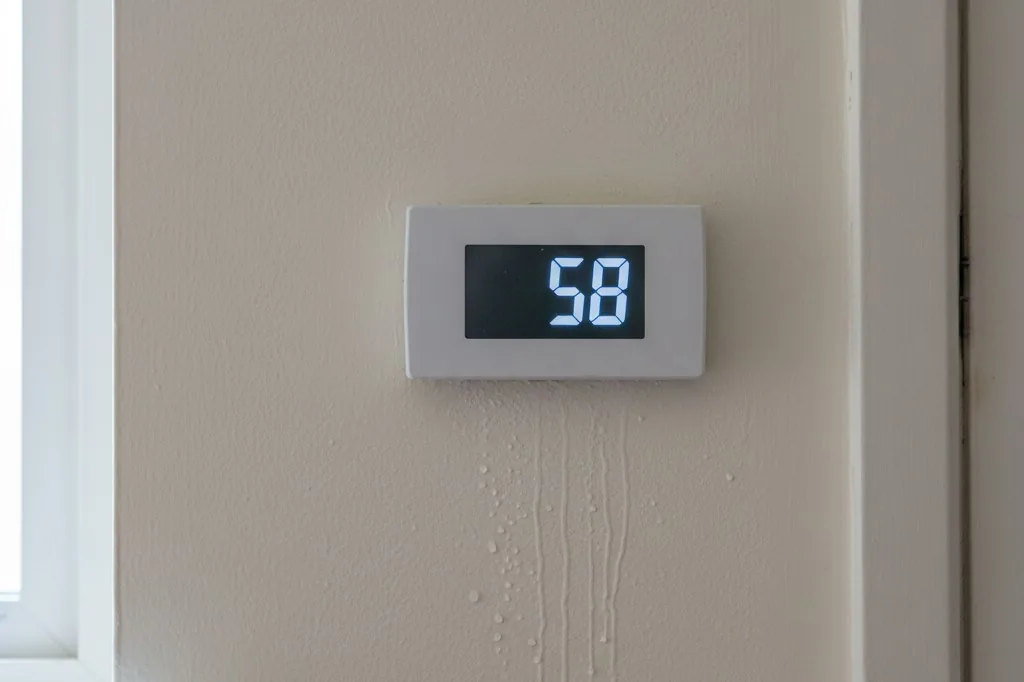
I stood in my bonus room last January wearing two sweaters and thick socks, watching my breath fog in the air. This was supposed to be fixed.
Back in October, I’d hired a crew to blow R-38 fiberglass insulation into the wall cavities—twelve hundred dollars and a full day of work. The installer assured me I’d feel the difference by Thanksgiving. He showed me the invoice, walked me through the coverage area, and explained how the loose-fill would pack into every corner and gap between the studs.
I didn’t feel any difference.
By Christmas, the finished attic room was still an icebox. On cold mornings, it sat at 58°F while the rest of the house stayed comfortable at 70°F. I’d crank the baseboard heater to maximum, watch the electric meter spin like a slot machine, and an hour later the room would barely crack 62°F. My January electric bill hit $340, nearly double what I’d paid the year before.
I checked everything I could think of. The windows were new Pella double-pane units I’d installed myself the previous spring. The door sweep sealed tight—I could feel zero draft when I held my hand at the threshold. I even looked directly into the open stud bays to confirm the insulation was actually there, since the walls were still exposed framing at that point. It was packed dense and fluffy, exactly as it should be, filling every cavity from sill plate to top plate.
So where was all the heat going?
I borrowed a thermal imaging camera from a friend who does energy audits for the county weatherization program. He dropped it off on a Tuesday evening with a fifteen-minute tutorial on how to read the color scale: blue and purple mean cold, orange and red mean warm, and green is somewhere in between.
What that camera showed me that night changed everything I thought I knew about how insulation actually works. And it explained why throwing more money at fiberglass would never solve the problem.