My Shed Stayed Dry in Normal Rain for Three Years. Then One Storm Told Me What I'd Missed.

The Fifteen-Dollar Fix
The answer was caulk. Not just any caulk—exterior polyurethane sealant, the kind that stays flexible through freeze-thaw cycles and bonds to metal and wood without cracking.
I picked up a tube of DAP Dynaflex 230 at Home Depot for about $6. You could also use Sikaflex 221, which runs around $9, or Loctite PL S30, which is closer to $8. The key is “exterior grade” and “paintable” if your trim is painted. Avoid plain acrylic latex—it’ll shrink and pull away from metal within a season.
The job took me maybe forty-five minutes, most of that spent on prep. Caulk won’t stick to dirt, oxidation, or old paint that’s flaking, so I used a wire brush to scrub along the joint where the drip edge met the rake trim, both sides of the shed. Then I wiped it down with rubbing alcohol on a rag to get rid of dust and any oily residue. That step matters more than people think—skip it and you’re sealing nothing.
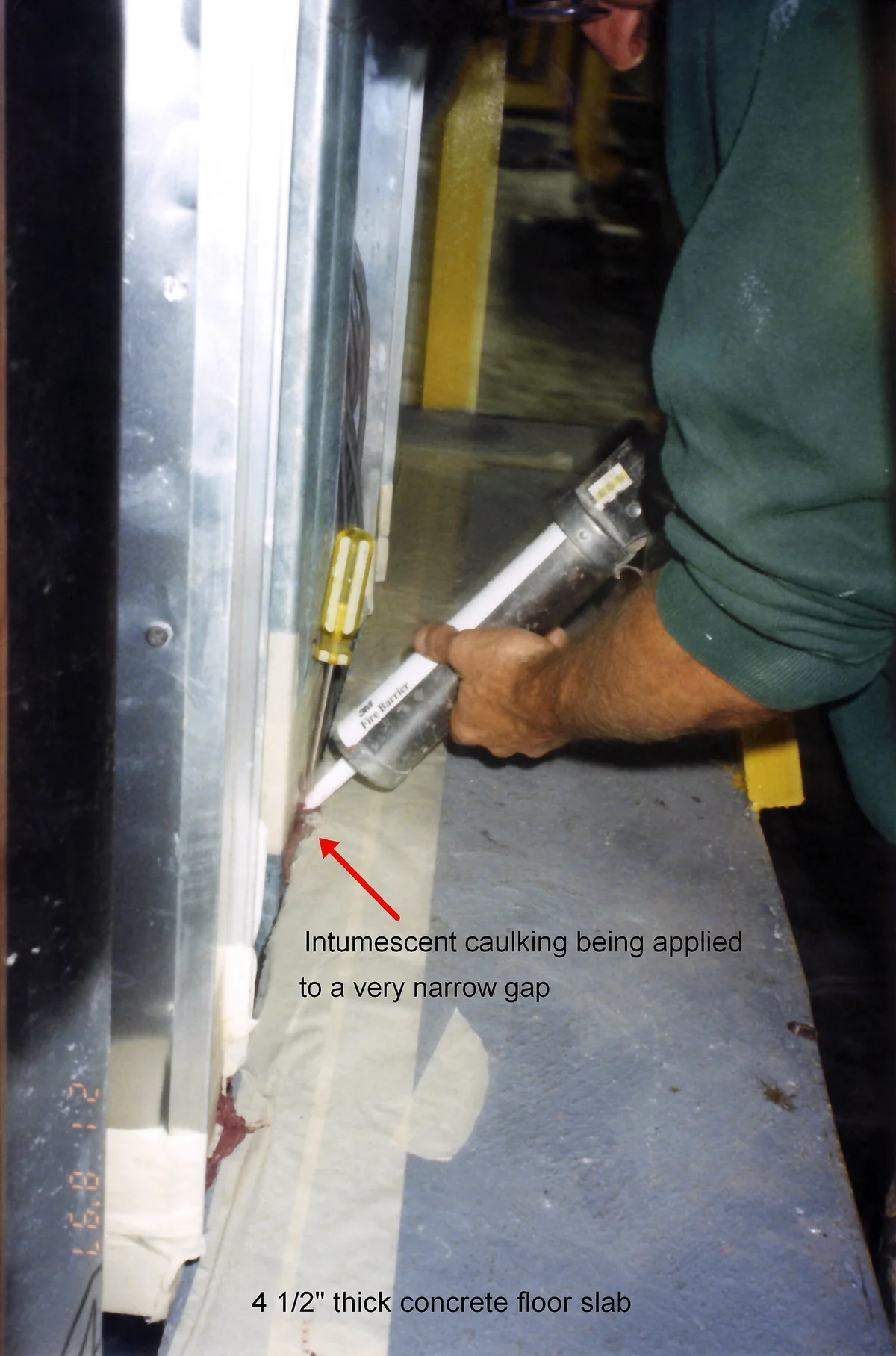
I ran a smooth bead along the seam, keeping the gun at a forty-five-degree angle and moving slow enough that the caulk filled the gap without gaps or bubbles. Tooled it with a wet finger to press it into the joint and smooth the surface. The goal isn’t a thick bead on top of the metal; it’s a thin seal pushed into the space between the two surfaces.
I did both rake edges, about eighteen feet of seam total. One tube covered it with some left over.
Let it cure for twenty-four hours—longer if it’s cold or humid—and then hit it with a hose again to test. Bone dry inside, even when I sprayed at the same angle that had caused the leak.
Total cost with the caulk, a $4 caulk gun I already owned, the wire brush, and the alcohol: under fifteen dollars. Maybe twenty if you need to buy the gun.
When to call someone: If your drip edge is rusted through, if the fascia or trim behind it is soft or rotted, or if you’re seeing gaps bigger than a quarter-inch, you’re past the caulk stage. That means removing trim, possibly replacing sheathing or fascia boards, and reinstalling everything with proper flashing and overlap—worth paying a roofer or carpenter to do it right. Same if you’re not comfortable on a ladder or your roof pitch is steep enough that you’re sliding. A fall isn’t worth saving fifty bucks.