I Ignored a Dripping Outdoor Faucet All Winter — Then Found the Pipe Split in Spring
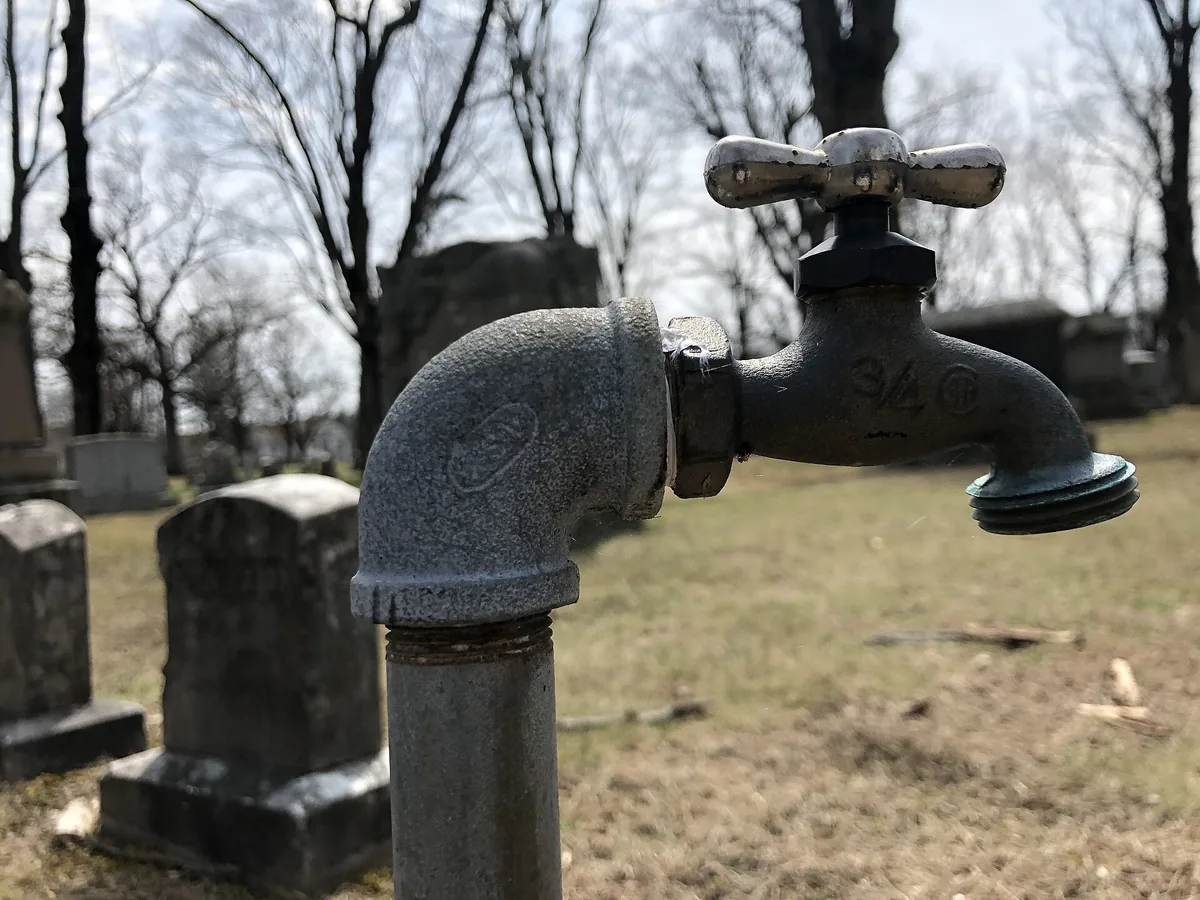

Why the Drip Mattered
Because it kept refilling the pipe.
A closed, dry pipe can often survive a freeze. If you shut off the interior valve in fall and open the outside faucet to drain the line, there’s nothing left to expand. Even if a few drops remain, the air in the pipe can compress enough to absorb the pressure.
But I left the faucet closed all winter and didn’t kill the supply. Every time the drip ran, it pulled a fresh slug of water into the pipe.
That water froze. Then more water dripped in behind it. Then that froze. The cycle repeated all winter, and each freeze built more pressure against the trapped water downstream.
I looked at my water bill later — February’s usage was eleven gallons higher than January, even though we were out of town for a week. That’s the drip. Eleven gallons over twenty-eight days is about a cup and a half per day, or a drip every four or five seconds. Barely noticeable, but steady.
Every one of those drips migrated into the pipe and froze. By February, I had a solid plug of ice near the valve and a column of pressurized liquid behind it with nowhere to go. The 90-degree elbow — already stressed by the cold and by twelve years of thermal cycling — never stood a chance.
If I’d drained the line in October, the pipe would still be intact. If I’d fixed the drip in November, same thing. If I’d even just left the outdoor faucet open so the drips could fall to the ground instead of refilling the pipe, I might have gotten away with it.
Instead, I’d created a system that pumped fresh water into a freezing pipe all winter long. The split didn’t happen all at once, either. When I cleaned up the damaged section, I could see a hairline crack that had started at the inside surface and worked its way outward — probably over multiple freeze-thaw cycles in late February and early March, until the final cold snap pushed it through.
The leak didn’t show up until the big thaw in mid-March, when the ice plug melted and water could finally flow again. By then the pipe had a two-inch rupture and I had a mess.
So what actually stops this from happening again — and do I need to replumb the whole wall?