One Radiator Stayed Ice Cold While the Rest of the House Heated Perfectly
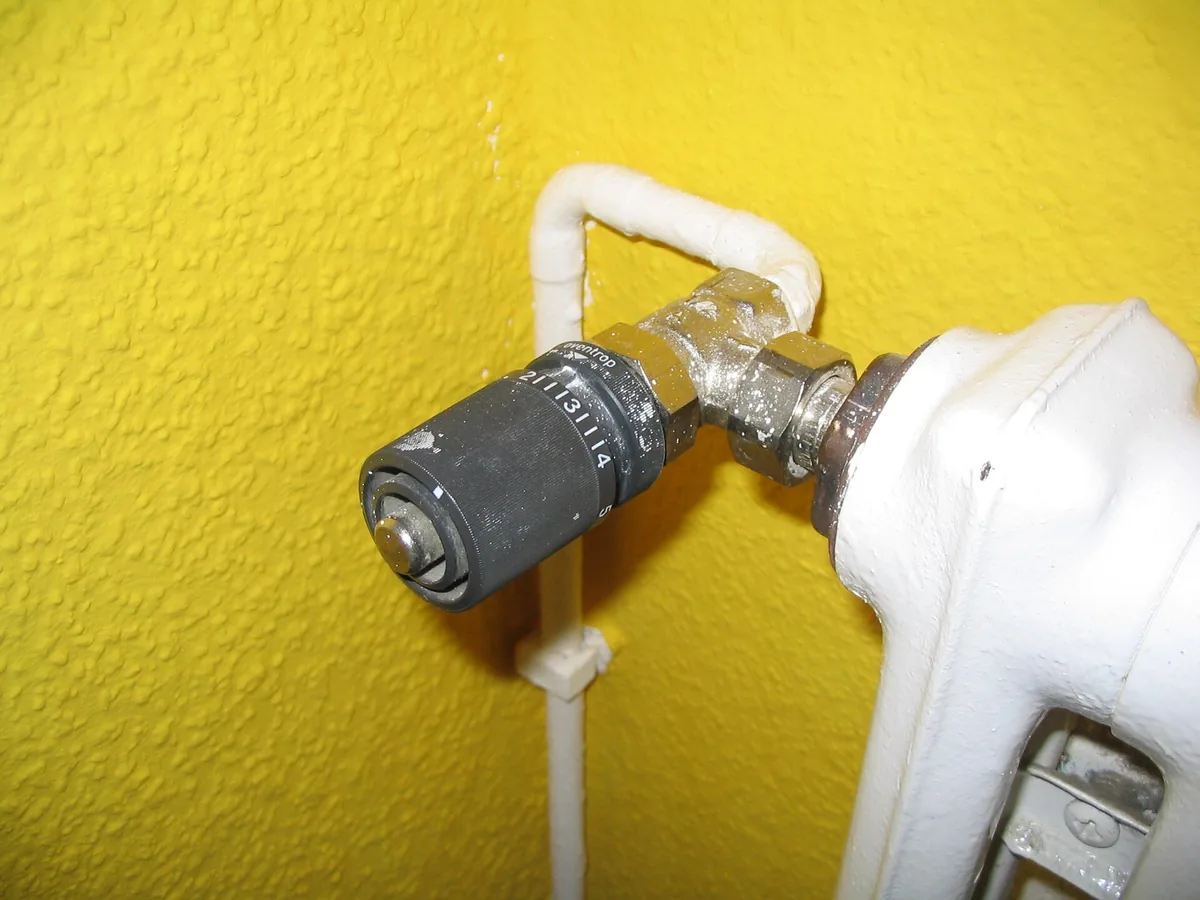

What the Valve Told Me
I went back to the thermostatic valve and actually handled it this time, not just eyeballed it from across the room or given it a quick twist.
I turned the dial slowly from zero all the way to max, feeling for resistance, for detents, for anything that seemed off. And there it was: the movement felt hollow. Like I was turning a knob that wasn’t connected to anything. No feedback, no subtle change in tension. Just smooth, empty rotation that didn’t seem to be doing a thing.
On a working valve, you feel a quiet push-back when you dial down, a slight resistance as the mechanism engages. When you turn it up, there’s a faint sense of release. This one? Nothing. Just the plastic dial spinning freely on its base.
That told me the problem wasn’t the dial or the number I’d set it to. It was something deeper in the mechanism, in the place where the valve actually makes contact with the radiator body and controls the flow. The signal from the dial wasn’t reaching the valve itself.
Most people never go further than turning the knob. I hadn’t either, in fifteen years of living with radiators. But there’s a part most of us don’t even know exists, hidden directly under the valve head where you can’t see it unless you take the thing apart.
Thermostatic radiator valves are two-piece assemblies. The head—the part you turn—sits on top. The body—the part that does the actual work—sits below, screwed into the radiator. They’re designed to come apart without tools, so you can replace a broken dial or upgrade to a programmable head without shutting down the whole system.
I’d never removed one before. But the instruction sheet that came with the valve years ago was long gone, so I just tried the obvious: I gripped the head firmly and turned it counterclockwise. Three turns, maybe four, and it lifted straight off.
And that’s when I saw what had been blocking the heat all along. A tiny piece of metal, barely visible, that I’d never known was there.