My Shed Stayed Dry in Normal Rain for Three Years. Then One Storm Told Me What I'd Missed.
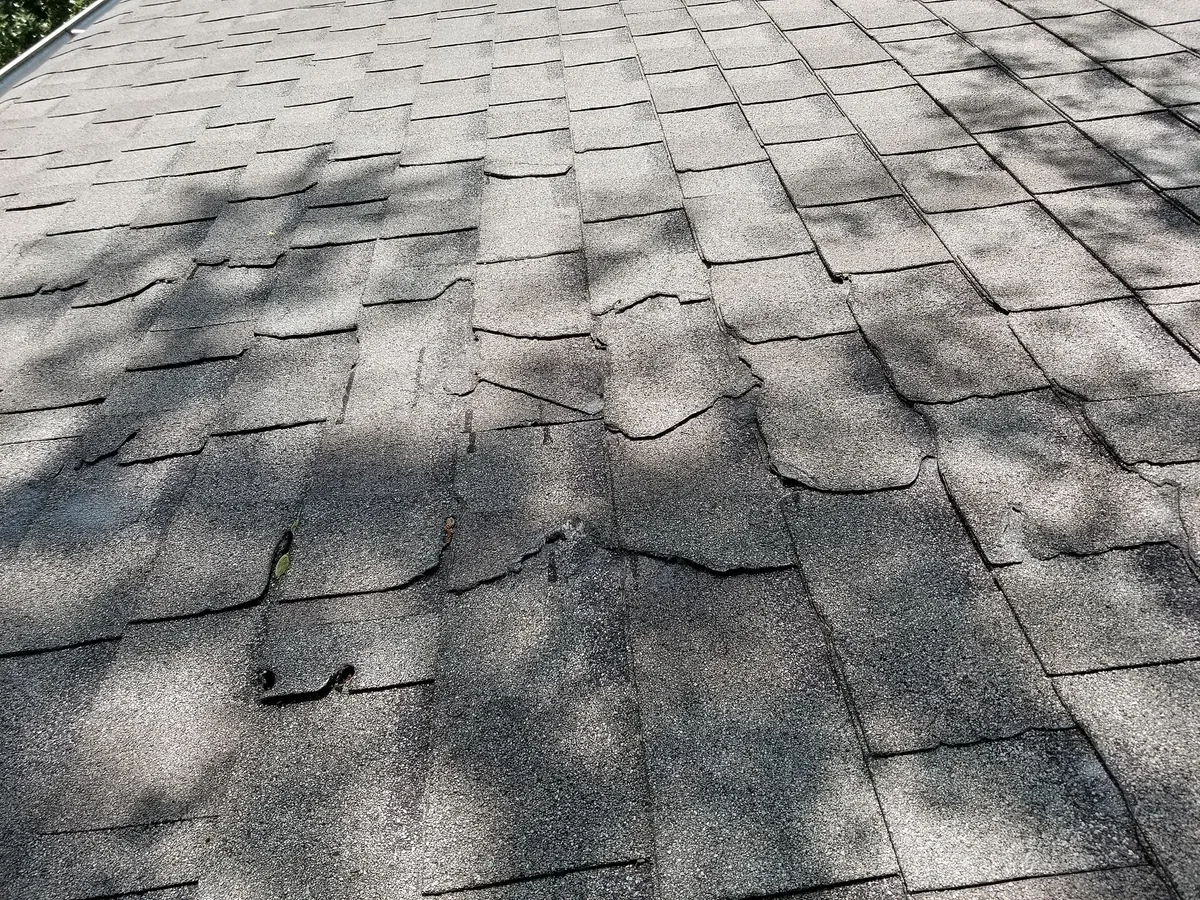

My shed had been through three summers and three winters without a single drop inside. The roof was only two years old, asphalt shingles I’d put on myself over a weekend in May, and every spring rain rolled off exactly the way it should.
Then we got a storm that came in hard from the west.
The wind wasn’t anything crazy—maybe thirty miles an hour, enough to rattle the fence gate but not take down branches. But it pushed the rain almost sideways, the kind of weather where you see it hitting the window nearly horizontal. By the time it cleared, I had a puddle spreading across the plywood floor, right where I keep the mower and the good tools.
I went outside expecting to find a lifted shingle or a cracked seal around the roof peak. Nothing. The surface looked perfect, every tab flat, every edge tight, no missing granules or curled corners. I checked the ridge cap, the valleys, even the nail lines. All good.
That’s when I realized I had no idea where the water was actually getting in.
You can stare at a roof all day and not see the problem, because most leaks don’t show up where the water enters. They travel. A drip in the corner might be coming from a flaw ten feet away, running along a rafter or behind sheathing until it finds an exit.
I needed to see it happen, so I dragged out the garden hose and set up the ladder. A normal soak from directly above did nothing—the roof shed it like it always had. Water beaded, rolled toward the edge, dropped into the gutter.
But when I changed the angle and sprayed the way the storm had hit it, aiming low and letting the stream climb up the slope the way wind-driven rain does, water started showing up inside in less than a minute.
And it wasn’t coming from where I thought.