I Fed My Compost Pile for Two Years and It Never Broke Down
The Fix and the Cost
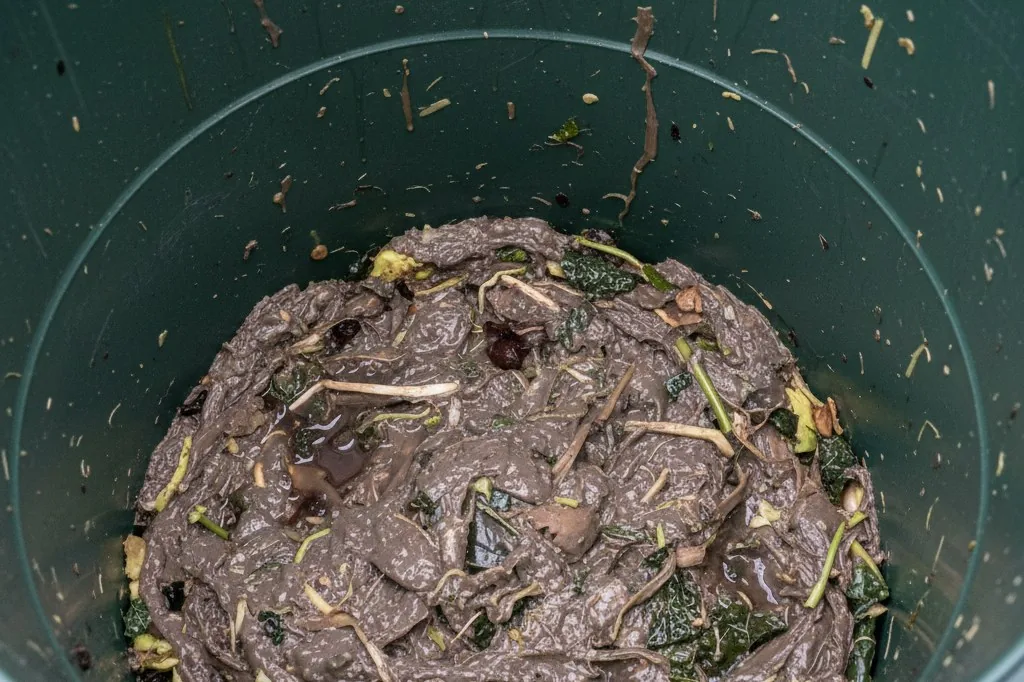
Too much water drowns the microbes that need oxygen to work. They die off, and the pile goes anaerobic—cold, slimy, and still. No heat, no decomposition, just a soggy mess that sits there indefinitely, preserving everything you throw in like some kind of wet time capsule.
The fix was almost embarrassing in its simplicity: I stopped adding water entirely for three weeks, turned the pile twice a week with a pitchfork to let air in and help it dry out, and added a 3-cubic-foot bale of straw from Tractor Supply ($8) to soak up the excess moisture and add coarse brown material that would create air gaps.
I spread the straw in layers as I turned the pile, mixing it throughout instead of dumping it all on top. Each forkful of wet, dense compost got fluffed up with a handful of straw. The difference was immediate—the pile had structure again, it wasn’t collapsing into a dense mat, and when I stuck my hand in after a few days, I could feel air pockets between the materials.
The ratio that finally worked was about three parts brown material—leaves, straw, shredded cardboard—to one part green. I kept it damp, like a wrung-out sponge, no wetter. If it rained hard, I covered the pile with a tarp for a day or two until it dried out a bit. If it looked too dry, I added a gallon or two of water with a watering can, not a hose, so I could control it.
Within two weeks, the center hit 145°F. I could feel the heat through my gloves when I turned it. Within a month, I couldn’t recognize most of the materials anymore—they’d broken down into dark, chunky fragments. The banana peels were gone. The onion skins were gone. Even the coffee filters had disintegrated.
Eight weeks later, I had finished compost. Dark, crumbly, and it smelled like forest floor. I sifted out a few sticks and unfinished chunks and tossed them back into the bin to break down in the next batch.
Total cost to fix two years of failure: one bale of straw ($8), one compost thermometer I’d already bought ($15 at Lowe’s or Amazon if you need one), and the willingness to turn the pile more often than I had been—twice a week instead of twice a month.
That’s it. No activators, no magic powders, no compost accelerators from the garden center. Just the right balance of wet and dry, and enough air to keep the right microbes alive.
If your pile still won’t heat up after fixing the moisture and adding brown material, or if it smells like ammonia even when it’s not too wet, you might have a different issue—too much nitrogen, not enough volume, or contamination from something that shouldn’t be in there. But in my experience, and from what I’ve read in extension guides, moisture is the most common problem, and it’s the easiest to fix.