I Added R-38 Insulation to My Loft and It Stayed Ice Cold All Winter
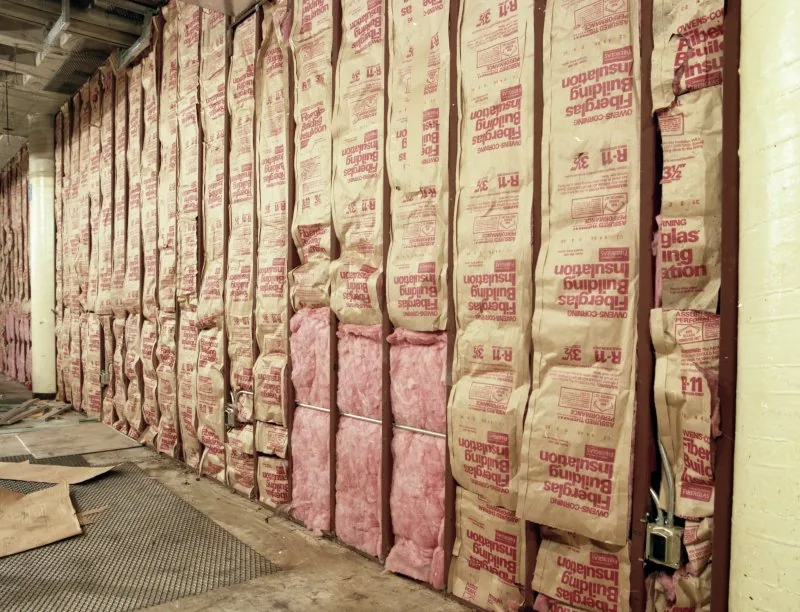
.jpg)
I stood in my loft last January wearing two sweaters and thick socks, watching my breath fog in the air. This was supposed to be fixed.
Back in October, I’d hired a crew to blow R-38 fiberglass insulation into the ceiling cavity—twelve hundred dollars and a full day of work. The installer assured me I’d feel the difference by Thanksgiving.
I didn’t.
By Christmas, the loft was still an icebox. On cold mornings, it sat at 58°F while the rest of the house stayed comfortable. I’d crank the baseboard heater, watch the electric meter spin, and an hour later the room would barely crack 62°F.
I checked everything I could think of. The windows were new double-pane. The door sweep sealed tight. I even pulled back a corner of drywall to confirm the insulation was actually there—and it was, packed dense and fluffy, exactly as it should be.
So where was all the heat going?
I borrowed a thermal imaging camera from a friend who does energy audits. What it showed me that evening changed everything I thought I knew about insulation.